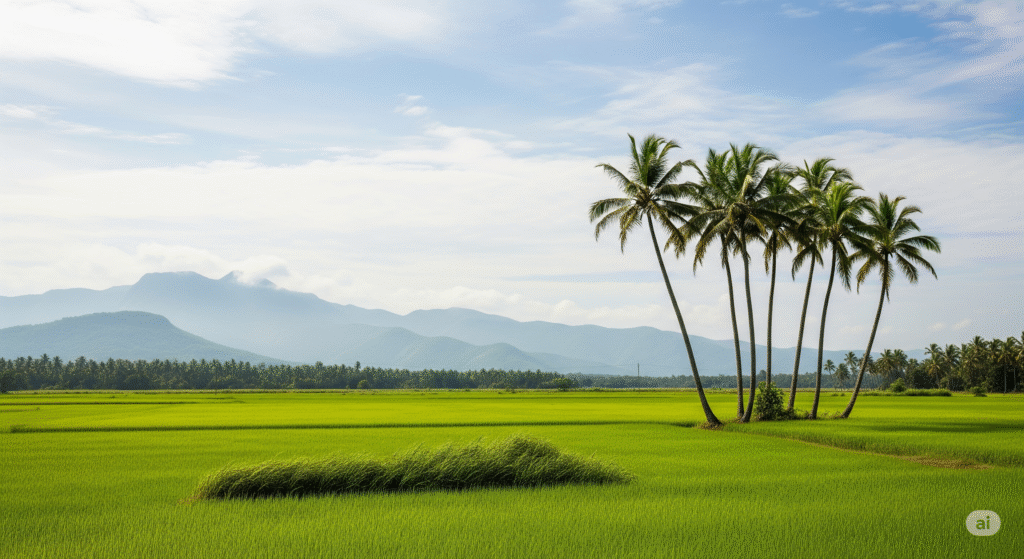
Kerala stands as India’s crown jewel. This tropical paradise rests along the southwestern Malabar Coast. The state offers an experience unlike any other destination in the world.
Thank you for reading this post, don't forget to subscribe!National Geographic Traveler named Kerala one of the ten paradises on Earth. TIME magazine featured it among 50 extraordinary destinations to explore. The New York Times listed Kerala as the only Indian destination in its 52 must-see places for 2023.
The state welcomes millions of visitors every year. Foreign tourists from the United Kingdom, United States, France, and Germany make up the largest visitor numbers. In 2023 alone, Kerala attracted over 21 million tourists. This included more than 649,000 international travelers.
Kerala tourism offers remarkable diversity. You’ll find serene backwaters stretching for miles. Pristine beaches line the Arabian Sea coast. Misty hill stations dot the Western Ghats mountain range. Ancient temples showcase architectural brilliance. Wildlife sanctuaries protect endangered species.
The state earned its famous tagline through decades of careful development. “God’s Own Country” became a global superbrand. Kerala transformed from a relatively unknown destination in the 1980s into a world-class tourism hotspot.
Get Your Free Kerala Travel Planning Guide
Download our comprehensive 2024 Kerala travel guide. Inside you’ll find detailed itineraries, seasonal weather information, budget breakdowns, packing checklists, and insider tips from local experts. Plan your perfect Kerala holiday with confidence.
Pristine Beaches Along the Arabian Sea
Kerala tourism showcases 580 kilometers of stunning coastline. The Arabian Sea borders the western edge of the state. Sandy beaches stretch virtually the entire length. Each beach offers unique character and experiences.
Kovalam Beach: Where Kerala Beach Tourism Began
Kovalam beach near Thiruvananthapuram holds special significance. This destination pioneered beach tourism in Kerala during the 1960s. Backpackers discovered its beauty first. Hippies followed in the 1970s. Today, Kovalam ranks among the most visited beaches in the state.
The beach features three distinct crescent-shaped sections. Lighthouse Beach gets its name from the iconic red-and-white striped tower. Hawah Beach attracts sunset watchers. Samudra Beach offers quieter surroundings for those seeking peace.
Muzhappilangad Beach: India’s Drive-in Wonder
Muzhappilangad Beach in Kannur offers something extraordinary. This beach stands as one of only two drive-in beaches in India. Hard-packed sand allows vehicles to drive along the shore. The beach stretches for four kilometers of uninterrupted beauty.
Black rocks dot the northern end. These natural formations create shallow pools during low tide. Families enjoy swimming in these protected areas. The beach remains relatively uncrowded compared to other tourist destinations.
Varkala Beach: Cliffs Meet Sea
Varkala Beach combines natural beauty with spiritual significance. Towering red cliffs rise directly from the beach. These geological formations stretch along the coastline. The beach holds religious importance for Hindu pilgrims.
Natural springs flow from the cliffs. Many believe these waters possess healing properties. Shops and restaurants line the cliff top. Visitors enjoy panoramic views while sipping fresh coconut water.
Bekal Beach: Fort and Shore
Bekal Beach offers history alongside natural beauty. The massive Bekal Fort overlooks the beach. This 17th-century structure remains Kerala’s largest fort. The circular fortification provides stunning views of the Arabian Sea.
The beach itself remains relatively pristine. Palm trees provide natural shade. The place offers peace for those seeking quieter beaches in Kerala. Sunset views from the fort are spectacular.
Marari Beach: Untouched Paradise
Marari Beach near Alappuzha remains relatively undiscovered. National Geographic rated it among the world’s top five hammock beaches. The beach maintains its village atmosphere. Traditional fishing activities continue daily.
Early morning brings fishermen hauling nets. Local life continues undisturbed by tourism. The beach offers authentic experiences. Visitors can watch traditional fishing methods unchanged for generations.
The Enchanting Backwaters of Kerala
Kerala’s backwaters create an ecosystem unlike anywhere else on Earth. These brackish lagoons stretch parallel to the Arabian Sea coast. A network of 1,500 kilometers of canals connects them. Lakes, rivers, and waterways form an intricate web.
The Western Ghats mountain range feeds numerous rivers. These rivers flow westward toward the sea. Wave action and shore currents created barrier islands. These islands trapped river water, forming the backwaters. The process took thousands of years.
Alleppey: Venice of the East
Alappuzha, commonly called Alleppey, serves as the backwater tourism hub. The town earned its nickname “Venice of the East” from its extensive canal network. Houseboat tourism centers here more than anywhere else in the state.
Vembanad Lake forms the heart of the region. This massive water body ranks as India’s longest lake. The lake connects to multiple canals and rivers. Houseboat cruises typically start from Alleppey’s boat jetty.
Kumarakom: Luxury and Birds
Kumarakom sits on the banks of Vembanad Lake. The area developed as a high-end backwater destination. Luxury resorts dot the shoreline. Each property offers private lake access and premium amenities.
The Kumarakom Bird Sanctuary attracts nature enthusiasts. Migratory birds arrive every year between November and March. Waterfowl species include herons, darters, egrets, and teals. The sanctuary spreads across 14 acres of wetland.
Kollam: Gateway to Ashtamudi
Kollam, also known as Quilon, marks the southern entry point to Kerala’s backwaters. Ashtamudi Lake dominates the landscape here. The lake’s name means “eight branches” in the local language. Eight different waterways branch from the main body.
The lake covers 61 square kilometers. Coconut palms and cashew plantations line the shores. Small islands dot the water. Traditional Chinese fishing nets still operate in some areas. The place offers quieter backwater experiences than Alleppey.
Houseboat Experience: Floating Through Paradise
Kettuvallam houseboats define Kerala backwater tourism. These traditional boats originally transported rice and spices. Skilled craftsmen build them without using a single nail. Coconut fiber ropes bind the wooden planks together.
Modern houseboats offer luxury amenities. Most feature air-conditioned bedrooms. Attached bathrooms provide comfort. Upper deck areas allow open-air relaxation. On-board kitchens serve traditional Kerala cuisine.
A typical houseboat cruise lasts one to three days. The boats glide slowly through narrow canals. Passengers watch village life unfold along the banks. Children wave from shore. Women wash clothes at canal edges. Fishermen cast nets from small boats.
Snake Boat Races: Cultural Spectacle
The backwaters host spectacular boat races during festival seasons. Snake boats, called chundan vallams, participate in these events. These boats measure up to 100 feet in length. Each boat requires more than 100 rowers.
The Nehru Trophy Boat Race takes place every year in August. This event draws massive crowds to Alappuzha. Dozens of teams compete fiercely. The synchronized rowing creates rhythmic splashing sounds. Traditional songs, called Vanchipattu, accompany the races.
Explore Backwater Experiences

Day Cruise Package
Experience the magic of Kerala backwaters on a full-day houseboat journey. Includes traditional Kerala lunch, sunset viewing, and guided village tours. Perfect for families and first-time visitors.
- 8-hour backwater cruise
- Traditional Kerala meals
- Village walkthrough
- Photography opportunities

Overnight Romance
Spend a magical night floating on serene backwaters. Ideal for couples and honeymooners. Watch stars from your private deck. Wake to gentle water sounds and bird calls.
- 24-hour luxury houseboat
- Private chef service
- Candle-lit dinner
- Sunrise viewing

Village Canoe Tour
Explore narrow canals impossible for houseboats to navigate. Traditional canoes take you deep into village life. Meet local artisans and see traditional farming methods firsthand.
- 4-hour canoe journey
- Local guide expertise
- Artisan workshops visit
- Authentic interactions
Speak with Backwater Specialist
Breathtaking Hill Stations and Mountain Retreats
The Western Ghats mountain range rises dramatically along Kerala’s eastern border. These ancient mountains form one of the world’s biodiversity hotspots. UNESCO designated the Western Ghats as a World Heritage Site. The mountains create cooler climate zones perfect for tea plantations and holiday escapes.
Munnar: Tea Garden Paradise
Munnar stands as Kerala’s most famous hill station. The town sits at 1,600 meters above sea level. Tea plantations carpet the surrounding hillsides. The British established tea estates here during colonial times. Today, these working plantations welcome visitors.
The journey to Munnar itself offers stunning views. The road winds through increasingly dramatic landscapes. Waterfalls cascade down rocky cliffs. Spice plantations dot lower elevations. The air grows noticeably cooler as altitude increases.
Munnar offers numerous attractions beyond tea gardens. Eravikulam National Park protects the endangered Nilgiri tahr mountain goat. Mattupetty Dam creates a picturesque reservoir. Top Station provides panoramic views across the Western Ghats. The place ranks among the best hill stations for family holidays.
Wayanad: Wildlife and Waterfalls
Wayanad district spreads across the northern Western Ghats. Dense forests cover much of the region. Wildlife sanctuaries protect numerous species. The area offers cooler temperatures year-round. Tribal communities maintain their traditional lifestyles here.
Edakkal Caves contain ancient petroglyphs. These rock carvings date back thousands of years. The caves sit atop a mountain requiring a moderate trek. Pookode Lake provides peaceful boating opportunities. The freshwater lake sits nestled among forested hills.
Soochipara Falls drops 200 meters in three tiers. The waterfall creates natural swimming pools. Trekking trails lead through coffee and tea plantations. Wayanad combines natural beauty with cultural experiences. Local guides share knowledge about tribal traditions and forest ecology.
Thekkady: Periyar Wildlife Sanctuary
Thekkady serves as the gateway to Periyar Wildlife Sanctuary. The sanctuary protects 777 square kilometers of evergreen forest. Periyar Lake forms the sanctuary’s centerpiece. This artificial reservoir was created in 1895. Wildlife congregates at the lake shores.
Boat safaris on Periyar Lake offer wildlife viewing opportunities. Asian elephants frequently visit the water. Sambar deer graze along the shores. Lucky visitors might spot tigers, though sightings remain rare. The sanctuary hosts more than 260 bird species.
Spice plantations surround Thekkady. The region produces cardamom, pepper, vanilla, and cinnamon. Guided plantation tours explain cultivation methods. Visitors can purchase fresh spices directly from estates. The fragrant air distinguishes this hill station from others.
Vagamon: Hidden Meadows
Vagamon remains less crowded than Munnar or Wayanad. Rolling meadows characterize the landscape. Pine forests cover the hillsides. The area maintains a peaceful, unspoiled atmosphere. Adventure tourism activities attract younger visitors.
Paragliding operations launch from Vagamon hills. The meadows provide perfect landing zones. Rock climbing opportunities exist on natural cliff faces. Trekking trails wind through pine forests and tea estates. The place offers authentic mountain experiences without excessive commercialization.
Ponmudi: Golden Valley
Ponmudi sits just 55 kilometers from Thiruvananthapuram. The name translates to “golden valley” in Malayalam. The hill station reaches 1,100 meters elevation. The journey involves navigating 22 hairpin bends. Each turn reveals new vistas.
Mountain streams flow through the area. Several waterfalls become accessible during monsoon season. Tea plantations checker the slopes. Butterfly populations thrive in the biodiversity. The Golden Valley offers day-trip possibilities for those based in Thiruvananthapuram.
Wildlife Sanctuaries and National Parks
Kerala protects remarkable biodiversity across numerous conservation areas. The state hosts 17 wildlife sanctuaries and six national parks. These protected zones cover 1,455 square kilometers of the Western Ghats. The region’s wildlife includes several endangered and endemic species.
Periyar Tiger Reserve: Elephant Country
Periyar Tiger Reserve ranks among India’s most visited wildlife destinations. The reserve protects both tigers and elephants. However, elephant sightings occur far more frequently than tiger encounters. The reserve’s varied elevation creates diverse habitats.
Evergreen forests dominate the landscape. The reserve also contains semi-evergreen and deciduous zones. Grasslands provide grazing for herbivores. The diversity supports numerous species. Gaur (Indian bison), sambar deer, wild boar, and barking deer inhabit the forests.
More than 260 bird species call Periyar home. The Malabar grey hornbill represents one of the endemic species. Darters, cormorants, and kingfishers frequent the lake. The reserve offers excellent opportunities for bird watching enthusiasts. Early morning hours provide the best wildlife viewing conditions.
Silent Valley National Park: Untouched Wilderness
Silent Valley National Park protects one of India’s last remaining virgin tropical forests. The park covers 237 square kilometers of pristine wilderness. No human habitation exists within the park boundaries. This isolation preserves natural ecological processes.
The park gained its name from the absence of cicada sounds. Scientific explanations remain debated. The silence adds to the mystical atmosphere. The park hosts the endangered lion-tailed macaque. These primates exist only in the Western Ghats mountain range.
Other rare species include the Nilgiri tahr and Malabar civet. Leopards patrol the forests. King cobras and pythons represent the reptile population. The park requires special permits for entry. Guided treks remain the only way to explore the interior.
Eravikulam National Park: Home of the Nilgiri Tahr
Eravikulam National Park spreads across the high ranges near Munnar. The park sits at elevations between 1,400 and 2,695 meters. Rolling grasslands characterize the landscape. Shola forests occupy the valleys between hills.
The park protects the largest population of Nilgiri tahr. These endangered mountain goats numbered only a few hundred in the 1980s. Conservation efforts increased the population significantly. Today, visitors can observe these animals with relative ease. The tahrs show little fear of humans within the park.
Anamudi Peak rises within the park boundaries. At 2,695 meters, it stands as South India’s highest point. Trekking to the peak requires special permission. The park opens to general visitors from September to March. The neelakurinji flower blooms once every 12 years. This phenomenon colors the entire hillside blue.
Wayanad Wildlife Sanctuary: Elephant Corridors
Wayanad Wildlife Sanctuary forms part of the Nilgiri Biosphere Reserve. The sanctuary covers 344 square kilometers. Elephant herds migrate through this area. The sanctuary provides crucial corridor connections to other protected areas.
The forests contain teak, rosewood, and bamboo. Dense vegetation provides cover for diverse wildlife. Tigers, leopards, and dholes (wild dogs) hunt here. Herbivores include spotted deer, barking deer, and wild boar. The sanctuary offers jeep safaris and guided treks.
Parambikulam Tiger Reserve: Model Conservation
Parambikulam Tiger Reserve demonstrates successful wildlife management. The reserve won India’s first CA|TS accreditation. This certification recognizes effective tiger conservation. The reserve covers 643 square kilometers of forested landscape.
Three dams create reservoirs within the reserve. The water bodies attract wildlife. Bamboo rafting safaris operate on these reservoirs. Visitors might observe elephants, gaur, or leopards from these rafts. The reserve maintains minimal human interference while allowing controlled tourism.
Tribal communities live within and around the reserve. These groups possess deep ecological knowledge. Tribal guides lead many wildlife viewing expeditions. Their tracking skills significantly improve wildlife encounter chances. The reserve demonstrates how conservation and indigenous rights can coexist.
Plan Your Kerala Wildlife Adventure
Connect with our wildlife tourism specialists. We design eco-friendly safari experiences that prioritize animal welfare and habitat protection. Get expert guidance on the best time to visit each sanctuary and maximize your chances of spotting rare species. Our naturalist guides ensure meaningful encounters with Kerala’s incredible wildlife.
Rich Culture and Vibrant Festivals
Kerala’s culture reflects thousands of years of evolution. The state’s location on ancient trade routes brought diverse influences. Hindu, Christian, Muslim, and Jewish communities coexist harmoniously. This religious diversity creates a unique cultural tapestry. Traditional art forms remain actively practiced throughout the state.
Onam: The Harvest Festival
Onam represents Kerala’s most important festival. This harvest celebration occurs in August or September every year. The festival lasts ten days. Each day features specific rituals and activities. The legend of King Mahabali forms the festival’s foundation.
Pookalam flower carpets decorate home entrances. Families create intricate designs using colorful petals. The patterns grow more elaborate each day. Onasadya, the festival feast, showcases Kerala cuisine. The meal includes 26 or more dishes served on banana leaves.
Snake boat races peak during Onam celebrations. The Nehru Trophy Boat Race attracts massive crowds. Hundreds of oarsmen power each boat. Traditional songs synchronize the rowing rhythm. The festival brings together all communities regardless of religion.
Thrissur Pooram: Temple Festival Spectacle
Thrissur Pooram ranks among India’s most spectacular temple festivals. The event occurs at Vadakkunnathan Temple in Thrissur. Two temples compete in displaying decorated elephants. Each group parades 15 caparisoned elephants. Gold-plated caparisons adorn the animals.
Kudamattam, the parasol exchange, forms the festival’s highlight. Colorful ceremonial umbrellas switch rapidly. The speed and precision require extensive practice. Percussion ensembles provide musical accompaniment. Chenda drums create thunderous rhythms. The festival concludes with elaborate fireworks displays.
Traditional Art Forms
Kathakali represents Kerala’s most famous classical dance-drama. Performers wear elaborate makeup and costumes. The makeup alone takes several hours to apply. Stories from Hindu epics provide the narratives. Facial expressions and hand gestures convey emotions and dialogue.
Mohiniyattam offers graceful feminine dance movements. The name means “dance of the enchantress.” Dancers wear white saris with gold borders. The movements emphasize lasya, the graceful style. Musical accompaniment includes vocals and traditional instruments.
Theyyam represents ritualistic art indigenous to North Kerala. Performers embody divine beings through elaborate costumes and makeup. The rituals occur in sacred groves and temples. Theyyam combines dance, music, and worship. The tradition dates back centuries. Tribal and lower-caste communities maintain this practice.
Kalaripayattu stands among the world’s oldest martial arts. The practice originated in Kerala. Training emphasizes flexibility, strikes, kicks, and weapons. Traditional kalari training grounds still operate. Masters teach using centuries-old methods. The martial art influenced other Asian fighting systems.
Kerala Cuisine: A Culinary Journey
Kerala food reflects the state’s coastal location and spice trade history. Coconut appears in virtually every dish. Coconut oil, coconut milk, and grated coconut provide flavor bases. Rice forms the staple grain. Seafood dominates coastal areas.
The traditional sadya meal represents Kerala cuisine’s pinnacle. This vegetarian feast includes numerous dishes. Sambar, avial, olan, and thoran showcase various vegetables. Payasam desserts provide sweet endings. The meal maintains specific serving sequences and combinations.
Seafood preparations vary by region. Karimeen pollichathu features pearl spot fish in banana leaf. Prawn curry combines coconut milk with aromatic spices. Malabar fish biryani showcases northern influences. Coastal restaurants serve the freshest catches daily.
Thalassery cuisine developed distinct characteristics. The cuisine blends Arab, European, and local influences. Thalassery biryani uses a unique rice variety. The region’s banana chips gained national fame. Street food culture thrives in this historic trading port.
Religious Heritage
Kerala hosts significant pilgrimage sites for multiple faiths. Sabarimala temple attracts millions of devotees annually. Lord Ayyappa’s shrine sits deep in the forests. Pilgrims follow strict protocols before visiting. The pilgrimage season runs from November to January.
Christian heritage sites include ancient churches established by St. Thomas. The apostle reportedly reached Kerala in 52 AD. Cheraman Jumu’ah Mosque claims to be India’s first mosque. The synagogue in Kochi represents the oldest active synagogue in the Commonwealth nations. This religious diversity attracts heritage tourism interest.
Must-Visit Places and Attractions
Kerala tourism encompasses diverse attractions beyond beaches and backwaters. Historic forts tell colonial stories. Ancient palaces showcase royal architecture. Modern infrastructure supports adventure activities. Each region offers unique experiences worth exploring. The state continues developing new tourist destinations every year.
Fort Kochi: Colonial Heritage Hub
Fort Kochi preserves centuries of colonial influence. Portuguese, Dutch, and British rulers left architectural legacies. Chinese fishing nets line the shore. These massive cantilevered nets arrived with traders from China. Fishermen still operate them using traditional methods.
St. Francis Church stands as India’s oldest European church. Vasco da Gama was originally buried here. The Mattancherry Palace features stunning murals. Hindu temple art covers entire walls. The Jewish Synagogue displays Belgian chandeliers and Chinese tiles. The blend of cultures makes Fort Kochi fascinating.
Art galleries occupy restored colonial buildings. The Kochi-Muziris Biennale occurs every two years. This contemporary art festival draws international artists. The event transformed Fort Kochi into a cultural destination. Cafes and boutiques now occupy heritage structures.
Bekal Fort: Northern Sentinel
Bekal Fort ranks as Kerala’s largest and best-preserved fort. The massive keyhole-shaped structure covers 40 acres. The fort was built in the 17th century. Laterite stone construction has withstood centuries. The fort overlooks the Arabian Sea from a commanding position.
Walking the fort’s ramparts provides spectacular views. The sea surrounds three sides. A large freshwater pond lies within the walls. Secret tunnels connect various sections. The fort never saw major battles. Its strategic location deterred attacks. The place offers history combined with scenic beauty.
Athirapally Waterfalls: Kerala’s Niagara
Athirapally Falls cascades from 80 feet height. The Chalakudy River creates this spectacular waterfall. Dense forests surround the falls. The location served as a filming site for numerous movies. The falls divide into smaller streams during dry season. Monsoon transforms them into a thundering curtain of water.
Vazhachal Falls lies just 5 kilometers upstream. The river flows through a rocky landscape. Multiple smaller cascades create scenic views. Wildlife from nearby forests occasionally appears near the falls. The area offers nature walks through dense forests. Bird watchers find the location particularly rewarding.
Jatayu Earth’s Center: Modern Marvel
Jatayu Earth’s Center features the world’s largest bird sculpture. The concrete statue measures 200 feet long. It rises 150 feet above ground. The sculpture depicts Jatayu from the Ramayana epic. The mythical bird fought to save Sita from Ravana.
The park offers adventure activities. Cable car rides transport visitors to the hilltop. Rock climbing and rappelling facilities exist. A museum inside the sculpture explains the legend. The location provides panoramic views of surrounding landscapes. The place represents Kerala’s modern tourism development approach.
Munnar Tea Museum: Plantation Heritage
The Tata Tea Museum preserves tea industry history. The museum occupies a former tea factory. Antique tea processing equipment remains on display. Black and white photographs document estate life. The evolution of tea processing technology becomes clear through exhibits.
Guided tours explain tea cultivation and processing. Visitors learn about different tea varieties. Tasting sessions allow comparisons between grades. The museum shop sells fresh estate teas. The surrounding gardens showcase tea bushes at various growth stages. The place provides educational experiences for all ages.
Kovalam Lighthouse: Coastal Beacon
The red and white striped lighthouse towers over Kovalam Beach. Built in 1972, it rises 35 meters high. Visitors can climb to the viewing gallery. The spiral staircase has 142 steps. The top offers 360-degree coastal views. The lighthouse remains operational, guiding ships along the coast.
Best Time to Visit Kerala
Kerala tourism operates year-round, but different seasons offer distinct experiences. The state experiences tropical climate conditions. Temperature variations remain moderate throughout the year. Rainfall patterns significantly impact travel experiences. Understanding seasonal differences helps in trip planning.
Peak Season: October to March
The peak tourist season runs from October through March. Post-monsoon freshness characterizes this period. Temperatures range from 20°C to 32°C. Pleasant weather makes outdoor activities comfortable. This period sees the highest number of visitors every year.
October brings festival season. Onam and Diwali celebrations occur during this time. November through February offers ideal beach weather. Hill stations become pleasantly cool. January sees morning temperatures dropping to 10°C in higher elevations. March begins warming gradually.
Hotel rates reach their highest during peak season. Popular destinations require advance bookings. Houseboat availability becomes limited during December and January. The weather compensates for higher costs and crowds. Wildlife viewing improves as water sources dry up. Animals congregate at remaining water bodies.


Monsoon Season: June to September
Southwest monsoon arrives in June. Rainfall peaks during June and July. The state receives substantial precipitation. Everything turns intensely green. Waterfalls reach maximum flow. The Western Ghats become spectacular during monsoons.
Many tourists avoid monsoon months. However, the season offers unique beauty. Ayurvedic treatments work most effectively during rains. Many resorts offer special monsoon packages. Prices drop significantly compared to peak season. Crowds thin out considerably.
Beach activities become limited during heavy rains. Rough seas prevent swimming. Backwater cruises continue but with rain protection. Hill station visits remain enjoyable. The cool, misty atmosphere creates romantic settings. Wildlife viewing becomes challenging due to dense vegetation.
Summer Season: April to May
Summer brings higher temperatures to coastal areas. Temperatures reach 35°C or higher in plains. Humidity levels increase. Hill stations maintain cooler temperatures. Many domestic tourists visit during school holidays.
Beach destinations remain popular despite heat. Sea breezes provide some relief. Hill stations like Munnar and Wayanad experience pleasant weather. This period suits those seeking cooler climate escapes. Hotel rates fall between peak and off-season levels.
Temple festivals occur during summer months. The Thrissur Pooram happens in April or May. Cultural events attract significant crowds. Summer marks the best time for certain activities. Plantation visits work well before monsoon rains. Wildlife viewing remains good as water sources diminish.
Regional Variations
Different regions experience weather variations. Coastal areas remain warm throughout the year. High humidity characterizes these zones. Hill stations stay 10-15°C cooler than lowlands. Mountain regions receive more rainfall than coastal areas.
Northern Kerala receives slightly less rain than central and southern regions. Wayanad experiences cooler temperatures year-round. Thiruvananthapuram enjoys relatively stable weather. Munnar can become quite cold in December and January. Pack accordingly based on destinations planned.
Experience Authentic Kerala Culture
Custom Cultural Journey Planning
Immerse yourself in Kerala’s rich traditions with our carefully curated cultural experiences. We arrange private Kathakali performances, cooking classes with local families, temple festival participation, and artisan workshop visits. Our cultural specialists design itineraries that go beyond typical tourist experiences. Connect with Kerala’s living heritage through meaningful interactions.
Ayurveda and Wellness Tourism
Kerala earned recognition as the birthplace of Ayurveda. This ancient medical system dates back 5,000 years. The state maintains authentic Ayurvedic practices. Traditional physicians, called vaidyas, preserve ancient knowledge. Medical tourism focused on Ayurveda brings visitors from around the world.
Authentic Ayurvedic Treatments
Ayurvedic treatments begin with detailed consultations. Practitioners assess individual constitutions. Treatments get customized for each person. The approach addresses root causes rather than symptoms. Treatment durations range from one week to several months.
Panchakarma represents the most comprehensive treatment program. This detoxification process involves five cleansing procedures. The treatments eliminate accumulated toxins. Special diets support the cleansing process. Oil massages prepare the body for deeper treatments. The complete program typically requires 21 days.
Monsoon season provides optimal conditions for Ayurvedic treatments. Humidity helps the body absorb medicated oils. The cool weather prevents excessive heat. Many resorts offer monsoon wellness packages. Extended stays at wellness centers yield best results.
Wellness Resorts and Retreats
Kerala hosts numerous Ayurvedic resorts. These facilities range from traditional centers to luxury properties. Traditional centers maintain strict Ayurvedic protocols. Luxury resorts blend wellness with comfort. Most resorts employ qualified Ayurvedic doctors.
Treatment programs include daily massages. Herbal steam baths follow oil treatments. Yoga and meditation sessions complement physical therapies. Specialized diets support the healing process. Many guests report significant health improvements. Stress reduction remains one of the primary benefits.
Yoga and Meditation Centers
Kerala’s calm atmosphere suits yoga practice. Numerous yoga centers operate throughout the state. Beach locations offer sunrise sessions. Hill station centers provide mountain views during practice. Traditional ashrams maintain rigorous schedules.
Many centers offer teacher training programs. Intensive courses run for several weeks. Students learn various yoga styles. Philosophy classes complement physical practice. Meditation techniques get equal emphasis. The peaceful environment aids concentration.
Siddha and Traditional Medicine
Siddha medicine complements Ayurveda in Kerala. This system originated in ancient Tamil Nadu. Practitioners use mineral and metallic preparations. Treatment approaches differ from Ayurveda. Some wellness centers offer both systems. Traditional bone-setting techniques remain popular for sports injuries.
Adventure and Activities
Kerala tourism extends beyond relaxation and sightseeing. Adventure activities attract thrill-seekers. The diverse geography supports various outdoor pursuits. Both water-based and land-based activities are available. Professional operators ensure safety standards.
Trekking in the Western Ghats
The Western Ghats offer excellent trekking opportunities. Trails range from easy walks to challenging climbs. Munnar provides numerous trekking routes. The trek to Meesapulimala reaches South India’s second-highest peak. The journey takes a full day.
Wayanad offers forest trekking experiences. Chembra Peak trek includes a heart-shaped lake. The climb takes about four hours. Guides share knowledge about flora and fauna. Tribal guides offer unique perspectives. Some treks include overnight camping.
Silent Valley treks penetrate pristine rainforests. These expeditions require special permits. The trails remain challenging and remote. Porters assist with equipment. The experience rewards with untouched wilderness. Wildlife encounters happen frequently.
Water Sports and Activities
Kerala’s coastline supports various water sports. Kovalam offers parasailing and surfing. Wave conditions suit beginners and intermediate surfers. Surf schools provide instruction and equipment. Jet skiing operates during calm weather.
Varkala developed into a surfing destination. The beach receives consistent waves. Several surf camps operate here. Paddleboarding has gained popularity recently. The relatively calm waters suit this activity well.
Backwater kayaking provides unique perspectives. Narrow canals become accessible by kayak. Traditional houseboat routes offer one option. Remote village exploration provides another. Half-day and full-day trips are available. Experienced kayakers can plan multi-day expeditions.
Rock Climbing and Rappelling
Natural rock formations enable climbing activities. Vagamon developed rock climbing infrastructure. Artificial walls supplement natural cliffs. Beginners start on easier routes. Advanced climbers tackle challenging faces. All equipment gets provided by operators.
Rappelling opportunities exist at several locations. Waterfalls create dramatic rappelling sites. The experience combines adventure with spectacular views. Safety equipment meets international standards. Trained instructors guide all activities.
Paragliding
Vagamon serves as Kerala’s paragliding hub. The meadows provide perfect landing zones. Launches occur from hilltops. Tandem flights allow first-time experience. Solo flights require certification. The flying season runs from October to May. Aerial views of tea plantations create memorable experiences.
Bamboo Rafting
Periyar Wildlife Sanctuary offers bamboo rafting. These rafts navigate the reservoir. The activity combines adventure with wildlife viewing. Small groups ensure minimal disturbance. Elephants and deer often appear along shores. Forest department guides lead expeditions. The experience provides unique access to remote areas.
Shopping and Souvenirs
Kerala tourism includes excellent shopping opportunities. Traditional handicrafts reflect local culture. Spices remain the most popular purchase. The state produces some of the world’s finest spices. Authentic products come directly from estates and cooperatives.
Spices and Tea
Kerala’s spice markets offer incredible variety. Cardamom, pepper, cinnamon, and cloves grow locally. Nutmeg, star anise, and vanilla also available. Purchase from government-run outlets ensures quality. Plantation visits allow direct purchases. Fresh spices contain more aroma and flavor. Pack vacuum-sealed bags for travel convenience.
Tea from Munnar estates makes excellent gifts. Various grades suit different preferences. Organic varieties cost more but offer purer taste. Many estates provide tasting sessions. Shop tours explain processing methods. Estate shops package tea in attractive containers. Some estates ship internationally.
Handicrafts and Textiles
Kerala produces distinctive handicrafts. Rosewood carvings showcase traditional artistry. Kathakali masks make decorative wall pieces. Bronze sculptures follow ancient casting methods. Coir products utilize coconut fiber creatively. The Kerala government supports artisan cooperatives.
Kasavu sarees represent Kerala’s traditional textile. These cream-colored sarees feature golden borders. Women wear them during festivals and ceremonies. Hand-loomed versions cost more than machine-made. Authentic weavers operate in several towns. Balaramapuram near Thiruvananthapuram specializes in these sarees.
Ayurvedic Products
Ayurvedic oils and medicines make practical souvenirs. Herbal massage oils contain therapeutic properties. Medicated soaps use natural ingredients. Hair oils address specific concerns. Purchase from reputable Ayurvedic centers. Government-certified products ensure quality. Some products require explanation for international customs.
Grand Kerala Shopping Festival
The Grand Kerala Shopping Festival occurs annually. The event runs from December through January. Massive discounts attract shoppers. Malls and retail outlets participate statewide. Special cultural programs accompany shopping events. Lucky draw prizes include cars and gold. The festival coincides with peak tourist season.
Practical Travel Information
Planning a Kerala holiday requires practical knowledge. Understanding transportation options helps optimize time. Accommodation choices suit various budgets. Safety measures ensure worry-free travel. Local customs deserve respect. Practical preparation enhances the overall experience.
Getting to Kerala
Kerala has three international airports. Thiruvananthapuram serves the southern region. Kochi airport handles the highest passenger traffic. Kozhikode airport serves northern Kerala. Major airlines connect Kerala with cities worldwide. Direct flights operate from the United States through Middle Eastern hubs.
Indian Railways connects Kerala to all major cities. Several long-distance trains arrive daily. The coastal railway line offers scenic journeys. Reserved tickets should be booked in advance. Luxury tourist trains like the Golden Chariot include Kerala in their routes.
Road networks connect Kerala to neighboring states. National highways are well-maintained. Several interstate bus services operate. Private taxi services offer comfort. The coastal highway provides beautiful drives. Traffic congestion affects urban areas during peak hours.
Transportation Within Kerala
Local transportation options vary by location. Each method offers different advantages. Choose based on comfort preferences and budget.
- Government buses reach remote villages
- Private buses offer more comfort
- Taxis available for point-to-point travel
- Auto-rickshaws good for short distances
- Rental cars with drivers recommended
- Houseboats for backwater exploration
Accommodation Options
Kerala provides lodging for every budget range. Options span from budget guesthouses to ultra-luxury resorts. Location impacts price significantly.
- Heritage homestays with local families
- Budget hotels in every major town
- Mid-range properties with modern amenities
- Luxury beach resorts with private beaches
- Ayurvedic wellness retreats
- Jungle lodges near national parks
Safety Considerations
Kerala ranks among India’s safest states. Tourists generally experience few problems. Common-sense precautions prevent most issues.
- Respect local customs and dress modestly
- Avoid isolated beaches after dark
- Use authorized taxi services only
- Drink bottled water in rural areas
- Protect valuables in hotel safes
- Purchase comprehensive travel insurance
Cultural Etiquette
Understanding local customs shows respect. Kerala’s culture blends various traditions. Simple awareness prevents unintended offense.
- Remove shoes before entering temples
- Dress conservatively at religious sites
- Ask permission before photographing people
- Use right hand for eating and giving
- Avoid public displays of affection
- Respect festival and religious processions
Health and Medical Facilities
Kerala maintains excellent healthcare standards. The state has India’s highest health indicators. Major cities have modern hospitals. Many facilities meet international standards. Medical staff generally speak English. Health insurance remains advisable for visitors.
Pharmacies stock most common medications. Prescriptions help obtain specific drugs. Ayurvedic hospitals treat various conditions. Emergency services respond quickly in urban areas. Remote areas have basic primary health centers. Serious conditions may require evacuation to major hospitals.
Money and Costs
Indian Rupee (INR) serves as Kerala’s currency. ATMs exist throughout the state. Credit cards work in most hotels and restaurants. Smaller establishments prefer cash. Money exchange facilities operate in cities and tourist areas. Hotels often exchange currency but with less favorable rates.
Kerala tourism costs vary significantly. Budget travelers can manage comfortably. Mid-range options provide good value. Luxury experiences cost substantially more. Houseboat rentals range from budget to premium. Festival seasons see price increases. Bargaining works in markets but not established shops.
Plan Your Perfect Kerala Journey
First-Time Visitor Package
Perfect introduction covering Kerala’s highlights. Beaches, backwaters, hill stations, and cultural experiences in one comprehensive itinerary. Ideal for 7-10 day trips.
4.8
Customer Rating
Family Holiday Package
Kid-friendly activities and comfortable accommodations. Wildlife viewing, beach time, and cultural shows suitable for all ages. Flexible schedules accommodate family needs.
4.9
Family Satisfaction
Honeymoon Special
Romantic experiences in Kerala’s most beautiful settings. Private houseboat stays, luxury resorts, candlelit dinners, and couple spa treatments create unforgettable memories.
5.0
Romance Rating
Speak with a Kerala Travel Specialist
Our experienced travel consultants know Kerala intimately. We’ve explored every corner of the state. Let us design a custom itinerary matching your interests, time frame, and budget. Free 30-minute consultation available. We answer all your questions and address any concerns about traveling to Kerala.
Kerala Tourism Growth and Recognition
Kerala tourism has achieved remarkable growth over recent decades. The state transformed from relative obscurity to global recognition. Strategic marketing campaigns built the “God’s Own Country” brand. Consistent service quality maintained visitor satisfaction. Statistics demonstrate the sector’s impressive development.
| Year | Total Tourists | Domestic Visitors | International Visitors |
| 2023 | 21,871,641 | 21,222,584 | 649,057 |
| 2022 | 19,212,963 | 18,867,414 | 345,549 |
| 2019 | 19,574,004 | 18,384,233 | 1,189,771 |
| 2018 | 16,701,068 | 15,604,661 | 1,096,407 |
| 2015 | 13,443,050 | 12,465,571 | 977,479 |
The pandemic significantly impacted tourism numbers. International arrivals dropped sharply in 2020 and 2021. Recovery began strongly in 2022. Domestic tourism rebounded faster than international travel. The state expects continued growth as global travel normalizes.
Top Source Markets
International visitors come from diverse countries. The United Kingdom sends the most tourists. American visitors rank second in numbers. French and German tourists follow closely. Middle Eastern countries contribute substantially. These markets showed consistent growth before the pandemic.
Primary Markets
- United Kingdom – 186,085 visitors
- United States – 109,859 visitors
- France – 97,894 visitors
- Germany – 67,425 visitors
- Saudi Arabia – 58,422 visitors
Emerging Markets
- Maldives – 52,236 visitors
- Australia – 42,089 visitors
- Malaysia – 40,197 visitors
- Oman – 38,619 visitors
- Russia – 35,066 visitors
International Recognition
Kerala received numerous prestigious awards. National Geographic Traveler named it among ten paradises on Earth. Travel and Leisure included Kerala in 100 great trips for the 21st century. The New York Times listed Kerala as a must-see destination in 2023. TIME magazine featured it among 50 extraordinary places in 2022.
The Kerala Tourism Department won PATA Gold Award in 2025. This recognized the most engaging social media campaign. Such accolades boost destination visibility. Awards translate into increased visitor interest. The state continues investing in tourism infrastructure and marketing.
Sustainable and Responsible Tourism
Kerala pioneered responsible tourism initiatives in India. The state recognizes tourism’s environmental and social impacts. Programs aim to minimize negative effects. Local communities benefit from tourism revenue. Conservation efforts protect natural and cultural resources.
Community-Based Tourism Projects
Several villages developed community-based tourism programs. Local residents own and operate these initiatives. Visitors stay in village homes. Families prepare traditional meals. Guests participate in daily activities. Revenue stays within the community.
Kumbalangi village near Kochi launched successful programs. This fishing village transformed into a model destination. Visitors experience authentic village life. Canoe rides explore the backwaters. Traditional fishing demonstrations occur daily. The project won multiple tourism awards.
Eco-Tourism Initiatives
Kerala promotes ecologically sustainable tourism. Wildlife sanctuaries limit visitor numbers. Treehouse accommodations minimize environmental impact. Eco-friendly resorts use renewable energy. Waste management systems prevent pollution. Many properties achieved green certifications.
The state banned plastic bags in tourism zones. Single-use plastics face restrictions. Hotels adopt eco-friendly alternatives. Awareness campaigns educate visitors. The efforts preserve Kerala’s natural beauty for future generations.
Preservation of Cultural Heritage
Tourism revenue supports cultural preservation. Traditional art forms receive government funding. Artist training programs ensure knowledge transfer. Young people learn classical dance and music. Performance opportunities exist at tourist venues. This creates sustainable livelihoods for artists.
Heritage structures receive restoration funding. Ancient temples undergo careful renovation. Historic palaces open to visitors. The revenue funds ongoing maintenance. Tourism provides economic justification for preservation efforts.
Discover Your Own Kerala Experience
Kerala tourism offers something for every traveler. Natural beauty ranges from beaches to mountains. Cultural richness spans thousands of years. Modern infrastructure supports comfortable travel. Warm hospitality makes visitors feel welcome. The state truly deserves its reputation as God’s Own Country.
Whether seeking relaxation or adventure, Kerala delivers. Beach lovers find pristine shores. Nature enthusiasts explore diverse ecosystems. Culture seekers discover ancient traditions. Wellness travelers experience authentic Ayurveda. Families create lasting memories. Couples find romantic settings. Every visitor discovers their own version of paradise.
The best time to visit depends on personal preferences. Peak season offers ideal weather conditions. Monsoon brings dramatic beauty and special rates. Summer suits those seeking hill station escapes. Each season reveals different aspects of Kerala’s character.
Planning transforms good trips into extraordinary experiences. Understanding options helps make informed choices. Local knowledge enhances every destination. Professional guidance prevents common mistakes. Investment in proper planning pays dividends throughout the journey.
Kerala continues evolving as a destination. New attractions complement established ones. Infrastructure improvements enhance accessibility. Sustainable practices protect resources. The state balances development with preservation. Future visitors will enjoy Kerala’s beauty for generations to come.
Your Kerala journey awaits. Pristine beaches call. Tranquil backwaters beckon. Misty mountains invite exploration. Ancient traditions welcome discovery. Natural wonders inspire awe. Begin planning your adventure in God’s Own Country today. The experience will exceed expectations and create memories lasting a lifetime.